© Antoine Seguin

© Antoine Seguin

© Antoine Seguin

© Antoine Seguin

© Antoine Seguin
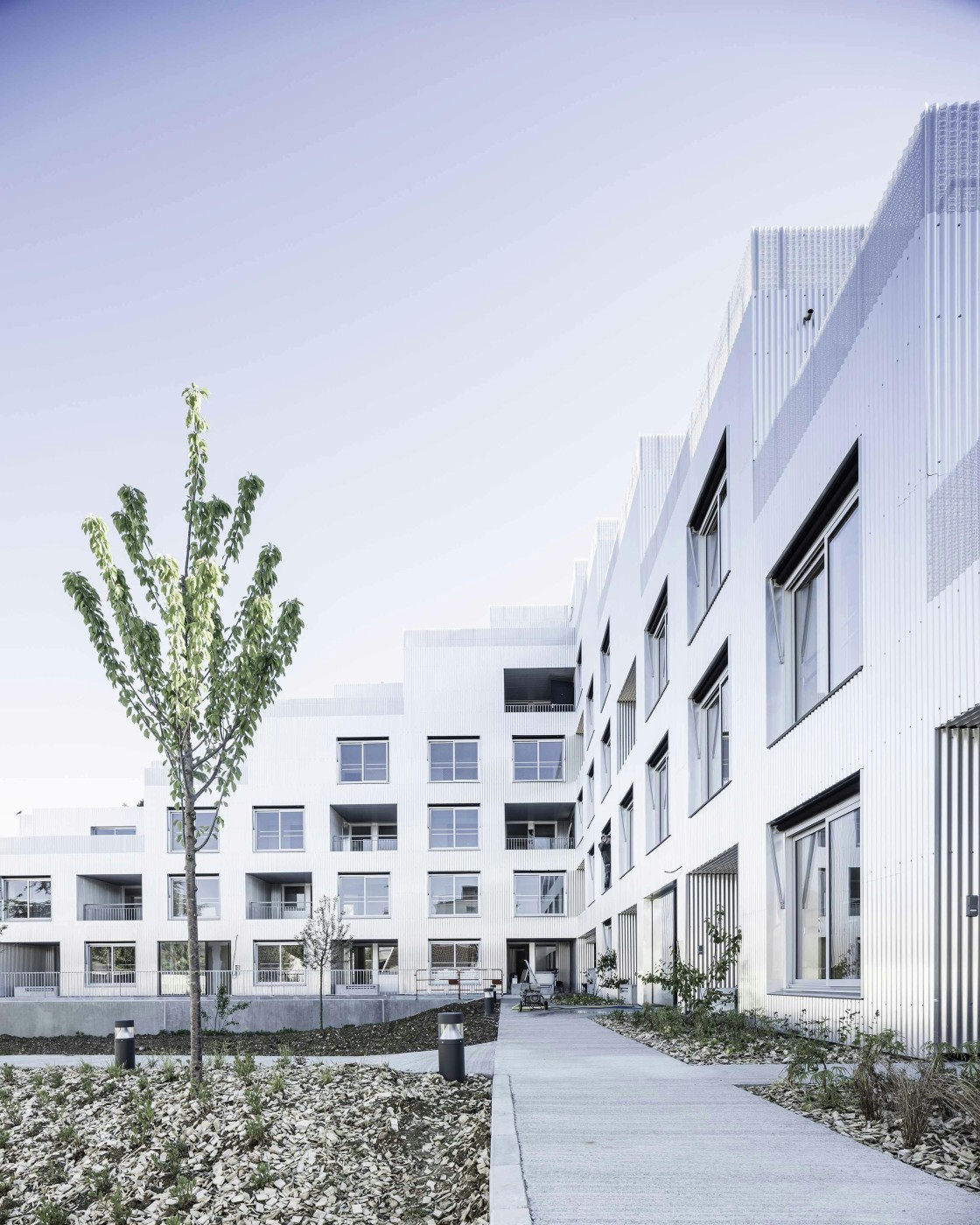
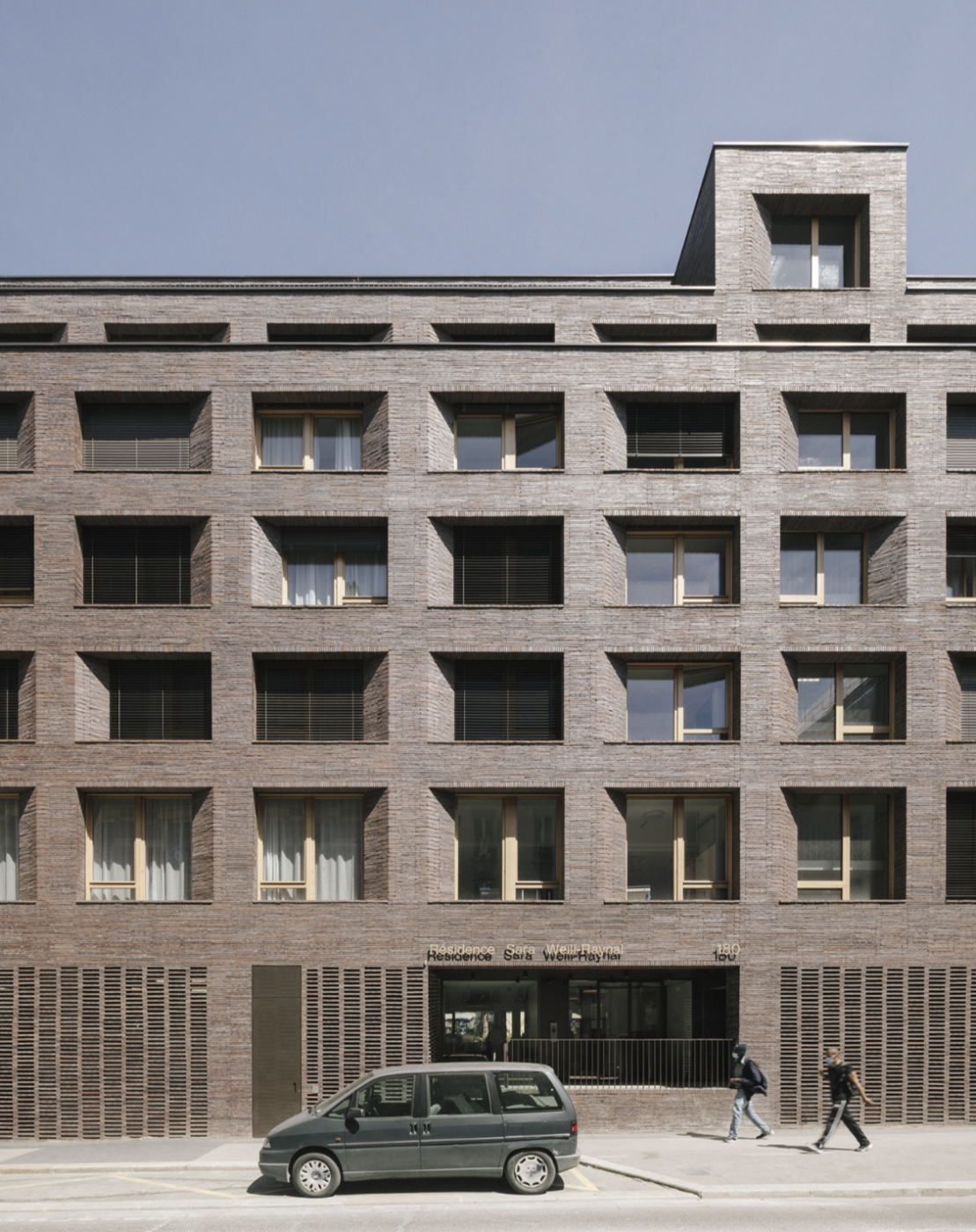
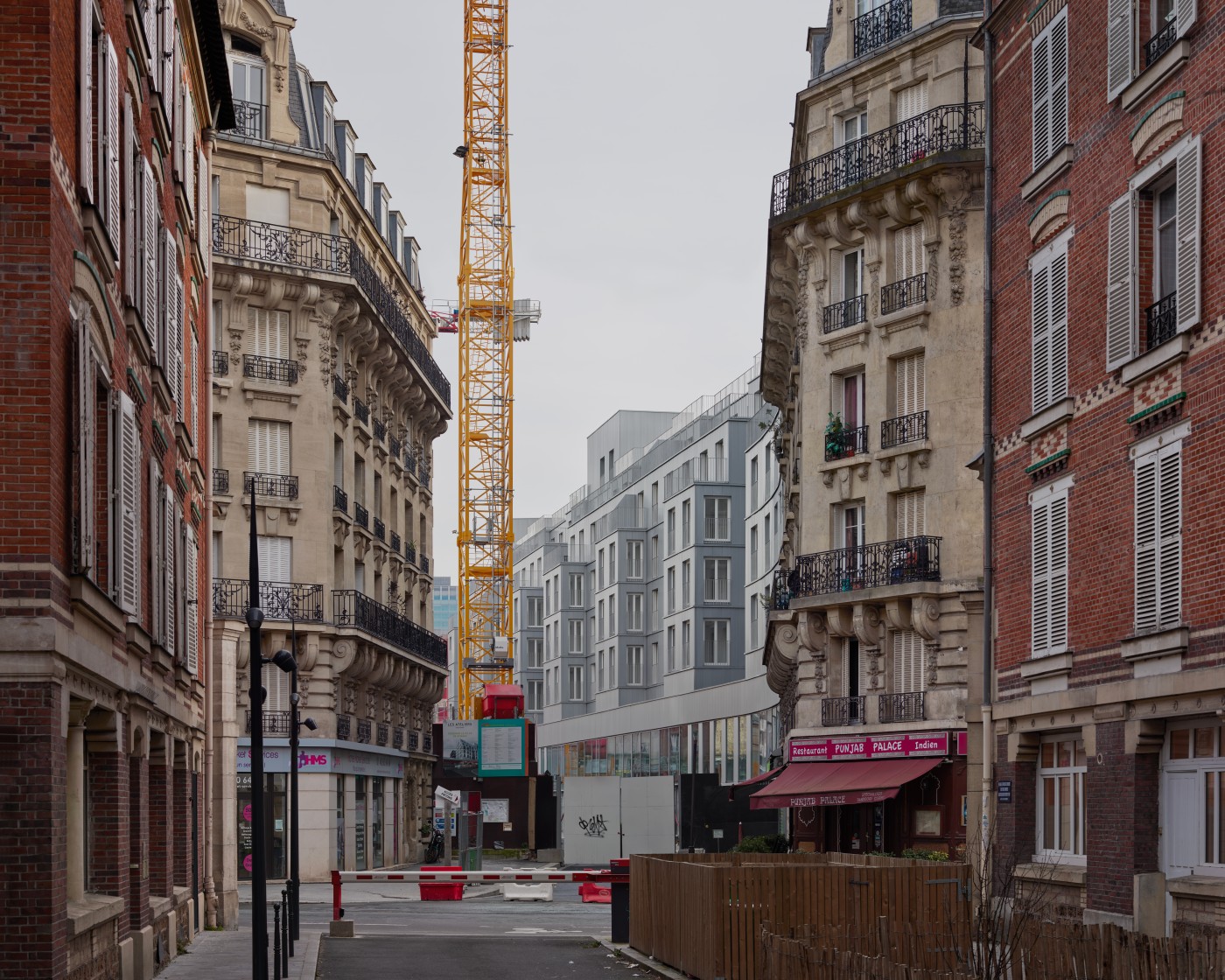
La Goutte d’Or, in Paris’s 18th arrondissement, takes its name from the golden hue of the wine once produced from its hillside vineyards. This working-class neighborhood stands out for its timber-framed faubourg buildings, constructed between 1820 and 1840 to house railway workers during the construction of the Gare du Nord, alongside a few Haussmannian blocks. The project of 14 dwellings, designed by Daniel Garcia and his firm FUSO for the social housing developer RIVP, reinterprets the faubourg’s architectural DNA. The traditional timber frames are translated into a modern timber structure, with load-bearing walls along the party walls and solid wood floors. The façades from the ground floor to the fifth are non-load-bearing: made of insulated solid timber panels, with reused brick cladding on the street side and rendered panels on the courtyard side. This results in a relatively lightweight building—an apt response to the site’s old gypsum quarries—while the dry timber prefabrication avoids the need for cranes or heavy equipment in this narrow street. The project’s most distinctive feature, however, is its north-facing street façade. By capturing heat within the air cavity between the insulated timber structure and the brick cladding, this thick façade performs on multiple levels. It first enables natural ventilation. Then, by incorporating inhabitable cavities within its depth, it provides extra functions—storage, seating, and transitional spaces. This creates a true “active thickness”, defining the project’s identity and allowing each resident to engage directly with daily life: adjusting shutters to control climate, organizing belongings, sitting to observe street life, inhabiting both inside and out, and becoming part of the scene. A project in the spirit of FUSO, whose architecture exists between stage, courtyard, and garden—embracing technical precision while cultivating the poetry of changing situations.